
If you’ve ever wondered why your skin doesn’t look quite the same after your early thirties, you’re not imagining it. Many people begin noticing subtle changes around this age. The skin may appear slightly less firm, fine lines may become more visible, and that effortless glow that once seemed permanent can start to fade. While these changes are often associated with getting older, the real story begins much deeper than the surface, which is why advanced regenerative solutions like Reversa Ultra are becoming increasingly relevant in modern aesthetic medicine.
The real culprit behind many visible signs of aging is collagen. Collagen is the most abundant protein in the skin and serves as the structural framework that keeps it firm, smooth, and resilient. When collagen levels are high, skin appears youthful, elastic, and healthy. When collagen production begins to decline, the skin gradually loses its ability to maintain the same level of support and regeneration.
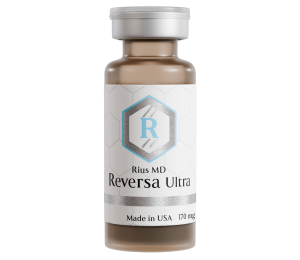
This biological shift is one of the main reasons the aesthetic industry has become increasingly focused on collagen stimulation and regenerative treatments. Among the most advanced solutions in this category is Reversa Ultra Hybrid Collagen Biostimulator, a next-generation treatment designed to support collagen production, cellular activation, and long-term skin rejuvenation. Understanding what happens to collagen after the age of 30 helps explain not only why skin changes over time, but also why treatments like Reversa Ultra are becoming a key part of modern regenerative aesthetics.
Why Collagen Is So Important for Healthy Skin
Collagen is often described as the skin’s scaffolding. Located deep within the dermis, collagen fibers create the structural support system that helps maintain firmness, elasticity, and strength. Together with elastin and hyaluronic acid, collagen contributes to smooth texture, hydration, and youthful skin quality.
During our twenties, collagen production remains relatively high. Fibroblasts continuously produce new collagen while repairing damaged fibers, allowing the skin to recover efficiently from environmental stress and daily wear. This ongoing renewal process is one of the reasons younger skin appears naturally firm and radiant. However, this process begins to change as we move into our thirties.
The Biological Turning Point After 30
Around the age of 30, collagen production naturally begins to slow. Studies suggest that adults lose approximately 1% of their collagen production each year after their twenties. Although this decline may seem small initially, the cumulative effect becomes increasingly visible over time.
- Fibroblasts become less active.
- Existing collagen fibers become fragmented.
- The skin’s structural support system gradually weakens.
As collagen levels decline, skin may begin to lose elasticity, firmness, and resilience. Fine lines can become more apparent, skin texture may change, and recovery from environmental stressors can take longer.
This gradual process is why many people begin noticing signs of aging in their thirties even though the biological changes started years earlier. Fortunately, advances in regenerative aesthetics have created new opportunities to address collagen decline at its source. This is where Reversa Ultra Hybrid Collagen Biostimulator plays an important role.
Rather than simply masking visible signs of aging, Reversa Ultra is designed to stimulate collagen production and support the skin’s natural regenerative processes from within.
Bring advanced collagen biostimulation technology into your clinic with Reversa Ultra. Contact Devoté to learn how this hybrid regenerative solution can support your aesthetic practice.
The Role of Fibroblasts in Skin Aging
Fibroblasts are among the most important cells involved in maintaining youthful skin. These specialized cells are responsible for producing collagen, elastin, and various components of the extracellular matrix that help support skin structure. When fibroblasts are active and healthy, collagen production remains efficient.
As fibroblast activity declines with age, collagen synthesis slows significantly. This reduction is one of the primary biological drivers of visible skin aging. Because fibroblast activity plays such a critical role in maintaining skin quality, many regenerative treatments focus on reactivating these cells.
Reversa Ultra Hybrid Collagen Biostimulator was specifically developed to support this process. Through its collagen-stimulating technology, Reversa Ultra helps encourage fibroblast activity, supporting the production of new collagen and helping the skin rebuild its structural foundation over time.
Collagen Loss Is Only Part of the Story
Although collagen decline is a major contributor to aging, it is not the only factor involved. Several biological changes occur simultaneously after the age of 30.
- Oxidative Stress Increases: Daily exposure to ultraviolet radiation, pollution, and environmental toxins generates free radicals that damage skin cells and accelerate collagen breakdown.
- Cellular Communication Slows: As we age, communication between skin cells becomes less efficient. This can affect tissue repair and regenerative capacity.
- Extracellular Matrix Integrity Declines: The extracellular matrix acts as the support network surrounding skin cells. Over time, this structure becomes less organized and less effective at maintaining healthy tissue function.
- Skin Vitality Changes: Hydration levels, firmness, and overall skin radiance may decline as multiple biological systems become less efficient.
This complexity explains why modern regenerative treatments are evolving beyond simple collagen stimulation.
Why Reversa Ultra Takes a Hybrid Approach
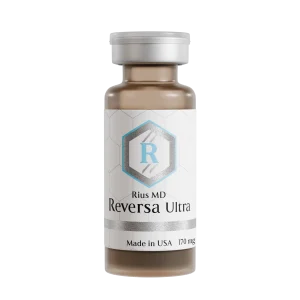
Traditional collagen stimulators often focus on a single mechanism of action. Modern regenerative science recognizes that skin aging is much more complex. This understanding led to the development of Reversa Ultra Hybrid Collagen Biostimulator.
Key Technologies Behind Reversa Ultra
Reversa Ultra combines multiple regenerative technologies designed to work together and support the skin through several biological pathways.
- PLLA for Collagen Stimulation: At the heart of Reversa Ultra is PLLA, a well-established collagen-stimulating ingredient known for its ability to activate fibroblasts and encourage long-term collagen production. By stimulating fibroblast activity, Reversa Ultra helps support the formation of new collagen fibers that contribute to improved firmness and elasticity.
- Bioactive Peptides: Reversa Ultra also contains bioactive peptides that help support cellular communication and extracellular matrix remodeling. These peptides function as biological messengers, helping create a healthier regenerative environment within the skin.
- The Reversa Activator System: One of the defining features of Reversa Ultra is its advanced Reversa Activator System. Unlike conventional collagen stimulators that focus solely on long-term collagen formation, the Reversa Activator System was designed to support skin vitality from the very beginning.
The Activator System combines ingredients such as:
- DMAE
- Vitamin C
- Organic Silicon
These ingredients help support firmness, hydration, radiance, and cellular performance. While PLLA works gradually to stimulate collagen production, the Reversa Activator System helps optimize the regenerative environment and support visible skin quality improvements.
This combination is what makes Reversa Ultra a true Hybrid Collagen Biostimulator.
Looking to elevate your clinic’s regenerative aesthetic protocols? Discover how Reversa Ultra combines collagen stimulation, cellular activation, and skin vitality support in one advanced platform.
Why the Reversa Activator System Matters After 30
After 30, the skin faces more than collagen loss alone.
- Cellular activity decreases.
- Oxidative stress increases.
- Repair mechanisms become less efficient.
This is why stimulating collagen alone may not always be enough. The Reversa Activator System helps address these additional challenges by supporting skin vitality, cellular function, and overall regenerative performance.
By combining collagen stimulation with cellular activation, Reversa Ultra provides a more comprehensive approach to skin rejuvenation than traditional collagen stimulators alone. This hybrid strategy aligns with the future of regenerative aesthetics, where treatments are increasingly designed to support multiple biological pathways involved in aging.
Why More Patients Are Choosing Reversa Ultra
Today’s patients are looking for more than temporary correction.
- They want healthier skin.
- They want natural-looking results.
- They want treatments that continue improving over time.
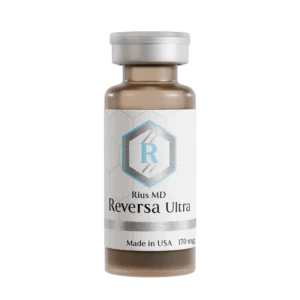
As a Hybrid Collagen Biostimulator, Reversa Ultra supports these goals by combining collagen stimulation, peptide technology, and the Reversa Activator System within a single regenerative platform.
Rather than simply addressing wrinkles or volume loss, Reversa Ultra supports the deeper biological processes involved in collagen regeneration, skin vitality, and long-term rejuvenation.
Partner with Devoté and introduce Reversa Ultra Hybrid Collagen Biostimulator to your clinic. Connect with our team to explore professional product support, clinical education, and advanced regenerative aesthetic solutions.
Frequently Asked Questions
Reversa Ultra supports collagen after 30 by helping activate fibroblasts, the cells responsible for producing collagen and maintaining skin structure. Through its hybrid collagen biostimulator technology, it supports progressive collagen regeneration, skin firmness, elasticity, hydration, and overall skin rejuvenation.
Reversa Ultra is considered a Hybrid Collagen Biostimulator because it combines PLLA for collagen stimulation, peptides for cellular activation, hyaluronic acid for hydration, and the Reversa Activator System to support skin vitality, radiance, and regenerative performance within professional aesthetic protocols.